
Preventing and tackling bullying and harassment of school staff
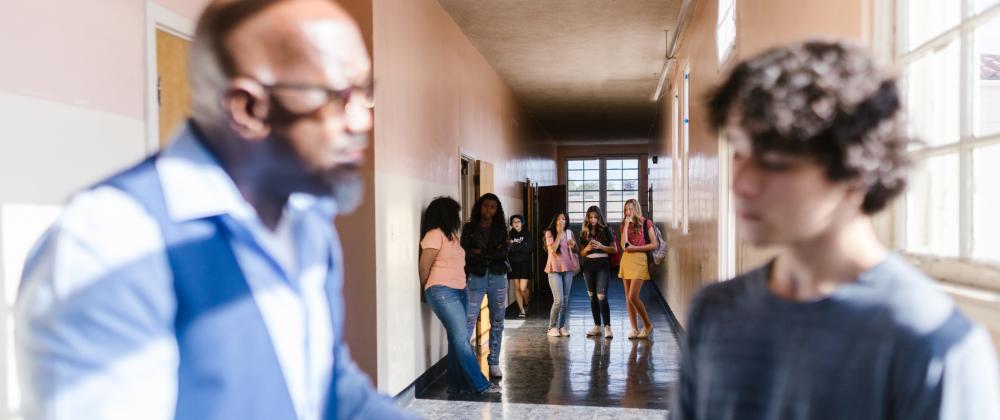
A safe school is one where children and adults are protected from harm, treated with dignity and respect, and feel able to speak up when something is wrong. Looking after staff and safeguarding children go hand in hand - when staff feel safe, supported and respected, they are better able to keep children safe. On July 9th, the Department for Education released non-statutory guidance on how to prevent and tackle intimidation, harassment and bullying of school staff. The guidance applies to maintained schools and academies and school employers.
Here are some places where the new guidance links directly with your safeguarding practice
Safe Spaces and Whole-Setting Culture - a school cannot genuinely be safe for students if it is unsafe for staff and students are more likely to thrive where staff feel physically and psychologically safe. The new guidance states that ‘schools with effective whole-school approaches create a culture where pupils and staff flourish in safety and dignity’.
Behaviour - both child safeguarding and protection of staff require reference to things like the student behaviour policy, staff behaviour policy/code of conduct, home/school contracts and complaints procedures. Frameworks around behaviour help protect children from abuse and staff from bullying and harassment. Students also learn healthy relationships by observing the adults around them.
Staff Wellbeing and Resilience - staff who are exhausted, intimidated and or distressed might be less able to notice abuse, make timely safeguarding decisions, build trusted relationships with students and respond consistently.
Sexual Harassment - both Keeping Children Safe in Education and the new guidance recognise that harassment must never be normalised, culture matters enormously and early intervention prevents escalation.
Recording, Monitoring and Responding - effective child safeguarding practice and the protection of staff both need accurate recording and the recognition of patterns and themes. In work for both students and staff, some organisational learning needs to result from issues and incidents of harm in order to prevent recurrence, if this is at all possible.
Sign up for our free safeguarding Bulletin
Interested in membership?
Join over 3,500 DSLs and nearly 40,000 staff in 1,500 education settings receiving high value support, consultancy and the tools you need to keep the children in your care safe.
Basket
Your basket is empty
Add a course or resource, then return here to checkout.
Your basket
Add more places?
Enter the total number of places you need for this course.