
If you’re happy and you know it... turn off your phone!
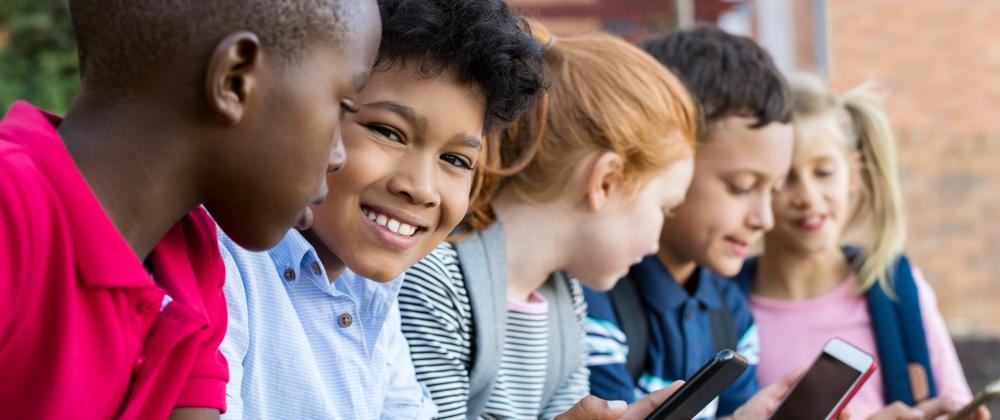
The World Happiness Report 2026 was published last month, with some perhaps unsurprising findings around young people and social media use. Surveying over 100,000 people from more than 140 countries, it is a truly global study and gives a snapshot into what makes us happy and indeed, if we truly are. And it’s official. Results show that social media does more harm than good.
The lack of face to face interactions, increasing comparisons with others and shrinking social circles and experiences all contribute to an overall decline in happiness for young people across the world. Students will acknowledge they are spending upwards of 4 hours a day on social media ,but do not link that to the detriment of not doing other things.
Not only this, but those in English speaking countries, young people and girls are facing a greater negative impact than anyone else, citing increasing loneliness and lower standards of wellbeing.
But it’s not an entirely negative picture.
Of those surveyed in 2026, 62% of young people are identifying that they believe social media does more harm than good. This demonstrates a changing picture amongst our young people. One in which awareness of the issues around social media engagement is increasing, leading to a more ‘switched on’ and careful audience.
In spite of this, the majority of young people are not putting down their phones and turning their backs on likes and re-posts. There are many reasons for this: the most important being other young people. It is hard to be different; it is hard to take a stand and for most it is impossible. The other, of course, is the addictive nature of the dopamine hit that comes of doom scrolling – and this is something that only the government or big tech companies can choose to limit as part of legislative change.
Social media is not inherently harmful; it can be empowering, enlightening and motivating. But our young people need help to navigate around the less positive too and it is worth considering how we in schools can encourage them to be courageous enough to be different. Small things like sponsored (phone) silences, personal pledges, charging a phone in another room overnight, time built into the curriculum to reflect on how social media is affecting their own lives can all be simple ways of allowing young people to come to their own conclusions and give them the confidence to prioritise happiness over likes.
About the author: Claire Bellman is a Designated Safeguarding Lead & Deputy Head Pastoral with over 20 years experience in schools.
Sign up for our free safeguarding Bulletin
Interested in membership?
Join over 3,500 DSLs and nearly 40,000 staff in 1,500 education settings receiving high value support, consultancy and the tools you need to keep the children in your care safe.
Basket
Your basket is empty
Add a course or resource, then return here to checkout.
Your basket
Add more places?
Enter the total number of places you need for this course.