
Beyond bully and victim: the importance of teaching children about bystander roles
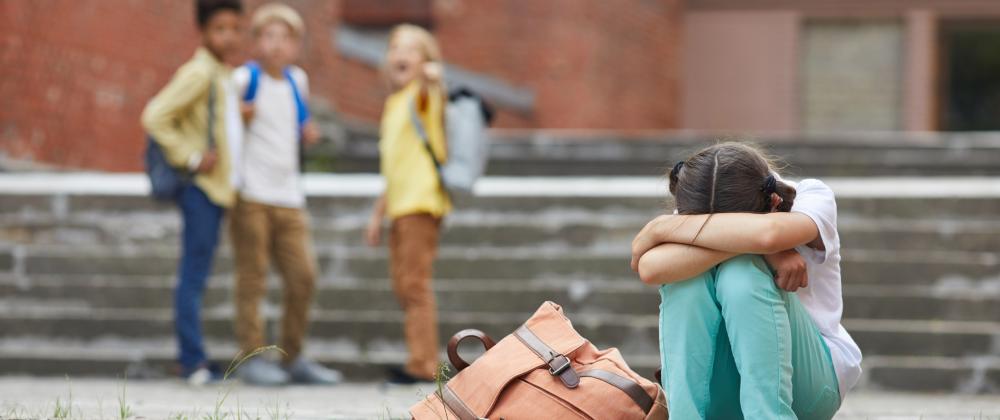
When schools talk about bullying, conversations often focus on two groups: the person doing the bullying and the person experiencing it. Yet research suggests that the behaviour of those watching can also be influential in determining the impact and outcome of an incident; even those who do nothing can unintentionally and unwittingly contribute to harm caused. This collective responsibility is why it is so important that we explicitly teach the different types of bystanders and their impact in a bullying context. Students need the knowledge and understanding to assess situations as they unfold and make safe, appropriate decisions about how to respond.
Salmivalli et al. (1996) identified four bystander roles that can influence a bullying situation:
Assistants take an active role, following the bully's lead or acting on their instruction.
Reinforcers provide social support for the bully by laughing, watching or offering encouragement.
Outsiders remain neutral, often because they fear becoming a target themselves, but their silence can be interpreted as acceptance of the bullying.
Defenders take action to support the victim, which may include challenging the behaviour, comforting the victim or reporting concerns to a trusted adult.
Teaching these roles explicitly to students can be incredibly impactful in terms of reducing bullying in a school or college context. Many students underestimate the impact they can have on a situation that doesn’t directly involve them. Initially, they cannot see that just being there, or laughing along, can make them part of the problem for the victim. They may initially believe that if they aren’t doing the bullying, they aren’t directly responsible.
It also helps to explore their own moral responsibilities within the community to keep everyone safe, not just themselves. It has the power to open up really interesting reflections from students when they look back on their own experiences through this lens. Even more importantly perhaps, it gives the opportunity to promote the positive safeguarding culture that if fostered, will stand up to any bullying or indeed any other safeguarding situations that may occur.
Of course, explicit teaching of the bystander model also allows for fruitful discussion in the aftermath of a bullying incident. Students can be encouraged to reflect on the role that they played, the choices that they made as part of that role and the impact that that had on the unfolding situation. Through this reflection, students are better equipped to recognise similar situations in future, understand the impact of their choices and make more positive decisions.
Bullying prevention should start long before incidents occur. Schools and early years settings play a vital role in teaching children the values that help create inclusive, respectful communities. Through early learning linked to British Values, children are introduced to concepts such as kindness, respect, diversity, fairness, and an appreciation that everyone is unique. These foundations help young people develop empathy, challenge prejudice, and understand the impact their words and actions can have on others. By embedding these values from an early age, schools can help create a culture where difference is celebrated rather than targeted, reducing the likelihood of bullying behaviours becoming established as children grow older.
We are never going to eradicate bullying entirely; the human race is made up of social beings and with that comes the challenge of navigating social interactions and power imbalances. But by teaching the psychology behind those social interactions, we can equip our students with the power to make better and kinder decisions in the hope of creating a culture where bullying is not acceptable in our school communities. In doing so, we are working towards creating the best weapon in the battle against bullying in schools: a kind and well-informed community of children who simply won’t allow it.
About the author: Claire Bellman is a Designated Safeguarding Lead and Deputy Head Pastoral with over 20 years experience in schools.
Sign up for our free safeguarding Bulletin
Interested in membership?
Join over 3,500 DSLs and nearly 40,000 staff in 1,500 education settings receiving high value support, consultancy and the tools you need to keep the children in your care safe.