
Beyond Power Imbalance: Bullying as Social Reward
What is bullying?
The Anti-Bullying Alliance’s definition of bullying is:
The repetitive, intentional hurting of one person or group by another person or group, where the relationship involves an imbalance of power. Bullying can be physical, verbal or psychological. It can happen face-to-face or online.
It is a definition very familiar to safeguarding practitioners everywhere. Alongside this, schools often use a useful shared vocabulary such as the child-friendly acronym STOP: Several Times On Purpose.
The power imbalance model outlined in the definition above encourages us to identify a victim and a perpetrator. One child has power; the other does not. One harms; the other is harmed. While this distinction is incredibly useful when identifying bullying, at best, it can inadvertently limit our reflection as practitioners. At worst, it risks reinforcing a moral binary: one good, one bad. One child then receives sanctions; the other, support.
Moreover, bullying is often complex. Focus on a power imbalance model alone and we limit the scope of our understanding. What if sometimes bullying can be a vehicle to gain power, rather than abuse it?
Bullying as social reward
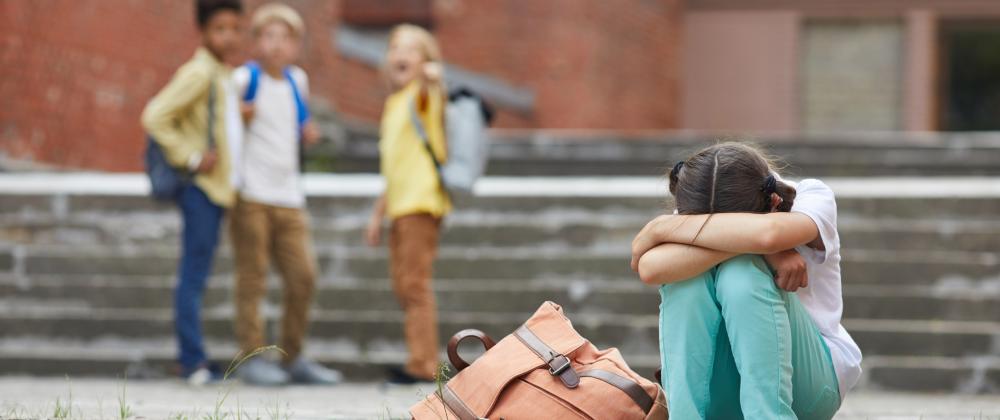
Bullying is not always the exertion of existing power; it can be an attempt to acquire or secure it. Young people are acutely aware that social acceptance and success are closely linked. Bullying behaviours can therefore just as easily be used to avoid becoming a target oneself or strengthen in-group belonging as to exert existing power over others. In bullying incidents, there is an audience, either present or virtual. The rewards then come in the form of laughter, silence, reposts, the shared looks. Smiles, even. The bullying behaviour gains social currency, which in turn encourages repetition and the imbalance of power grows.
So what now?
Don’t get me wrong; I am not suggesting we excuse bullying behaviours. The harm must stop, and immediately. But this wider lens does serve to better inform our responses to the harm and the interventions that we then put in place to prevent further incidents.
In safeguarding practice, we understand that the binary framing of victim and perpetrator is rarely helpful. That is no less true when considering bullying. Both children are still children. Both may be navigating unmet needs, attachment difficulties, social anxiety, or complex home circumstances. Supporting the child who has caused harm does not come at the expense of the child who has been harmed. In fact, it is essential if we are to prevent continued issues and certainly if we are to ensure we follow the safeguarding mantra outlined in KCSIE to always act in the best interests of the young people in our care.
Practical Implications for Schools
1. Address the audience.
Bullying often thrives on peer reinforcement — laughter, silence, online sharing, or passive observation. Whole-school work on bystander behaviour and peer norms becomes central. Removing the social reward can be more powerful than increasing sanctions.
2. Provide alternative routes to status.
If a child is using harmful behaviour to gain recognition, schools can intentionally create healthier pathways: leadership opportunities, responsibility roles, structured extracurricular success, or adult mentoring. Status is not inherently negative; it simply needs to be earned constructively.
3. Maintain accountability alongside support.
Restorative conversations, reflective work, and clear boundaries should operate together. Repairing relationships does not mean minimising impact. It means addressing harm in a way that reduces the likelihood of repetition.
4. Avoid fixed labels.
Language matters. Describing behaviour as bullying is necessary in many contexts, but labelling a child as a “bully” risks entrenching identity and limiting growth.
5. Review school culture
Look to build a school culture that rewards empathy and kindness, courage and curiosity. Use student voice to review the current school climate, and seek opportunities to embed these more positive routes to power in the daily life of the school.
Check out our Bullying information pages for DSLs and other safeguarding staff
About the author: Claire Bellman is a Designated Safeguarding Lead and Deputy Head Pastoral with over 20 years experience in schools.
Sign up for our free safeguarding Bulletin
Interested in membership?
Join over 3,500 DSLs and nearly 40,000 staff in 1,500 education settings receiving high value support, consultancy and the tools you need to keep the children in your care safe.
Basket
Your basket is empty
Add a course or resource, then return here to checkout.
Your basket
Add more places?
Enter the total number of places you need for this course.