
Adolescent Suicide
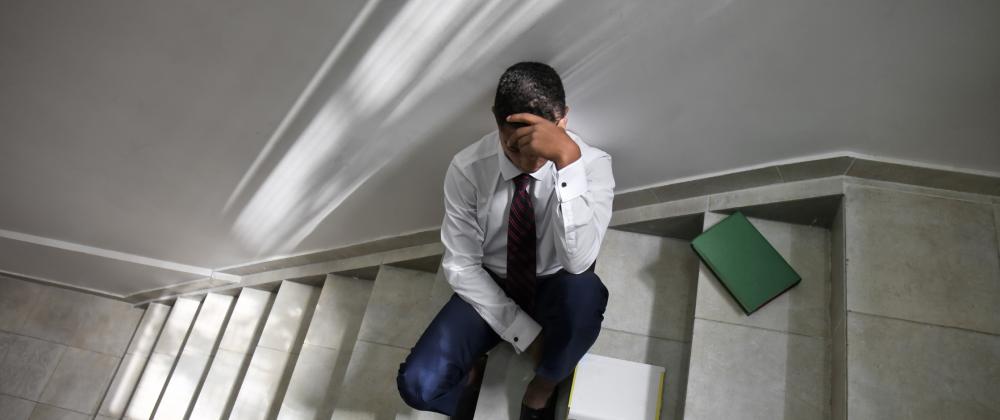
The Child Safeguarding Practice Review Panel’s Annual Report 2024–25 identified suicide as the second most common likely cause of death in serious child safeguarding incidents over the prior three reporting years. The findings of the Child Safeguarding Practice Reviews following these tragedies often found that suicide occurred in the context of multiple vulnerabilities, cumulative harm and ongoing professional involvement, rather than a single event.
The Child Safeguarding Practice Review Panel has updated its resource hub with a comprehensive suite of resources about Adolescent Suicide, including up to date briefing papers and learning materials.
Key takeaways for education professionals include:
1. See the whole child, not only the individual concerns. The strongest message is that risk developed cumulatively. Mental ill health, attendance, additional needs, family circumstances, caring responsibilities, bullying, exploitation, identity, online experiences and disrupted education interacted over time. The reviews repeatedly warn against treating each concern as a separate issue.
2. Changes in attendance, engagement and presentation should be treated as safeguarding information. The reviews highlighted that understanding the underlying reasons for changes and increasing concerns was essential alongside monitoring.
3. Information sharing must create a shared picture of risk. In the reviews, information existed, but it was fragmented – very often different professionals knew different pieces of the story and those pieces were not consistently brought together. Children were often known to several services, but this did not consistently result in a shared understanding or a coordinated risk assessment. Non-recent and recent information was also not always brought together.
4. The reviews strongly challenge a model in which mental health sits in one box and safeguarding in another. Very often the children experienced mental health difficulties alongside abuse/neglect, family adversity, additional needs, bullying, caring responsibilities, exploitation and disrupted education.
5. The reviews highlight that transitions are times when vulnerability can increase for children. Changes in family circumstances, entry into Care, placement changes, missing episodes and changes to education plans/provision could all be points when children might feel both more worried and less supported at the same time. The child's voice and lived experience must remain central. The reviews repeatedly identify the danger of professional systems becoming more visible than the child themselves.
Upcoming training course: Suicide Prevention (SPOT) with PAPYRUS
Suicide is the biggest killer of people aged 35 and under in the UK. We believe that suicide is often preventable.
Safeguarding Network has commissioned this training to be delivered by PAPYRUS. Prevention of Young Suicide (PAPYRUS) is the UK charity dedicated to the prevention of suicide and the promotion of positive mental health and emotional wellbeing in young people.
Referred to by Papyrus as SPOT Training - Suicide Prevention Overview Tutorial. What EVERYONE needs to know.
This course provides a solid foundation in understanding suicide by exploring its prevalence, its impact, and the challenges that come with speaking openly about it. It aims to raise awareness by helping individuals recognise potential signs that someone may be experiencing suicidal thoughts and by promoting a more informed, compassionate response within the community.
The next course is scheduled for 25th November.
Sign up for our free safeguarding Bulletin
Interested in membership?
Join over 3,500 DSLs and nearly 40,000 staff in 1,500 education settings receiving high value support, consultancy and the tools you need to keep the children in your care safe.
Basket
Your basket is empty
Add a course or resource, then return here to checkout.
Your basket
Add more places?
Enter the total number of places you need for this course.